Pediatric Blood and Marrow Transplantation & Cellular Therapy Program
We Have Been Performing Blood and Marrow Transplantation & Cellular Therapy Since the Beginning.
Children and adolescents come from around the world to be treated at M Health Fairview Masonic Children's Hospital. Our Blood and Marrow Transplantation & Cellular Therapy (BMT&CT) Program at the University of Minnesota is the oldest and one of the largest and most respected pediatric blood and marrow transplant research programs in the world. We performed the first successful BMT in 1968 and we are still delivering firsts in BMT&CT therapy, patient care, and research.

Our rare disease and cancer research is world-class and our clinical program is internationally-recognized as one of the largest unrelated donor transplant programs in the country. We are also one of the largest umbilical cord blood transplant centers worldwide. Our Pediatric BMT&CT patients undergo treatment for diverse primary disorders including:
- Acute and Chronic Leukemias
- Lymphomas
- Solid Tumors
- Acquired and inherited bone marrow failure disorders including Aplastic Anemia, Fanconi Anemia, Dyskeratosis Congenita, Diamond Blackfan anemia, Shwachman-Diamond syndrome, Paroxysmal Nocturnal Hemoglobinuria, Congenital Amegakaryocytic Thrombocytopenia.
- Inborn Errors of Metabolism - including severe mucopolysaccharidosis type I (Hurler syndrome, or MPS IH), MPS II (Hunter syndrome), MPS VI (Maroteaux-Lamy syndrome) and the inherited leukodystrophies such as metachromatic leukodystrophy (MLD), globloid cell leukodystrophy (GLD, also called Krabbe disease) and adrenoleukodystrophy/ALD, as well as osteopetrosis.
- Primary immune deficiencies (PIDD)
- Epidermolysis Bullosa
We pioneer leading-edge technology developed by University of Minnesota researchers and physicians. Our work, experience, and knowledge affords our team the ability to train and recruit the best medical professionals who carry on our pioneering legacy in research and clinical care to the transplantation process.
Our Children's Hospital
Pediatric Blood and Marrow Transplant & Cellular Therapy Center
We're here to help: 612-273-2800, Option 2
or 888-601-0787
Fax: 612-273-0882
Clinic Email | Clinic Website | Learn More

Related Centers & Programs
Cellular & Gene Therapy
The Gene Therapy Program within the Division of Pediatric Blood and Marrow Transplantation & Cellular Therapy at the University of Minnesota spans basic science research to clinical standard of care. We are one of limited sites worldwide to participate in exciting new clinical trials investigating gene therapy as an alternative to allogeneic transplantation. Ultimately, our focus is to develop more effective, safer treatments for cancer and other life-threatening diseases, including inherited disorders. The hope is that this approach will be safer and possibly more effective than transplantation using cells from another donor.
The Gene Therapy Program is composed of scientists who are developing the cutting edge gene therapies and the clinical team including physicians, nurses and others who care for the patients treated with genetically modified cell therapies. The clinical care team includes experts in the use of gene-modified immune cells to treat cancer and blood-forming stem cells to treat various rare genetic diseases, like immune deficiencies, sickle cell disease, thalassemia, Fanconi anemia, leukodystrophies and other lysosomal disorders.


Giving Hope to Families and Patients
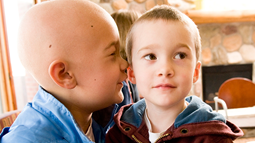 Our experience, research and technology lead to success and renewed hope for thousands of patients all over the world. Treatment with BMT&CT can offer the chance for a cure to some children who have a life-threatening disease. However, these treatments involve a long and intense process often moving families away from family, friends and work. We will help you, your child, and family cope by understanding what to expect at each juncture of the process, getting needs met during this stressful time, and leaning on support groups available to families. When a child gets a transplant through our Center, that child will maintain a relationship with the Center for life.
Patient Self-Referral
While a referral by a physician to our program will speed the process, patients interested in our program are encouraged to email us directly or call (612) 273-2800, Option 2.
BMT&CT Post-Transplant
Living with a serious diagnosis is a lifelong journey. Physical, mental and emotional wellbeing are impacted in a multitude of ways along that journey. The Taking Charge of Your Survivorship website gives survivors a place to connect, share their stories, hear the stories of others, and discover science-based, useful information.
Professional Resources
Current Research Publications Fellowship Program
Research Collaboration Towards New Treatments
With world-class expertise, a culture of cross-disciplinary collaboration, and a proven track record of successfully bringing therapies from the lab to patients, our physicians and researchers are leading the field in developing treatments and cures for childhood cancers and rare diseases.
We continue to push the boundaries of science to increase the understanding of pediatric cancers and other diseases that can be treated with blood and marrow transplantation & cellular therapy. Together, we challenge the status quo and help to change the practice of medicine.
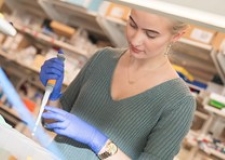 Our research is focused in three areas; finding treatments and cures for the incurable; how to make transplants more successful and improving the long-term health and outcomes for our patients.
Read more about our current research, our publications, educational opportunities. Please call (612) 273-2800, Option 2 or email us with a referral.